Numbness, Tingling, or Burning in Your Feet?
Don’t Ignore It —
Real Relief Is Possible.
Numbness, Tingling, or Burning in Your Feet?
Don’t Ignore It —
Real Relief Is Possible.
Do more than manage pain.
Find treatment that helps you with:




What is Neuropathy?
Neuropathy is a progressive condition of damage and dysfunction of the
nerves controls how you..



What is Neuropathy?
Neuropathy is a progressive condition of damage and dysfunction of the
nerves controls how you..
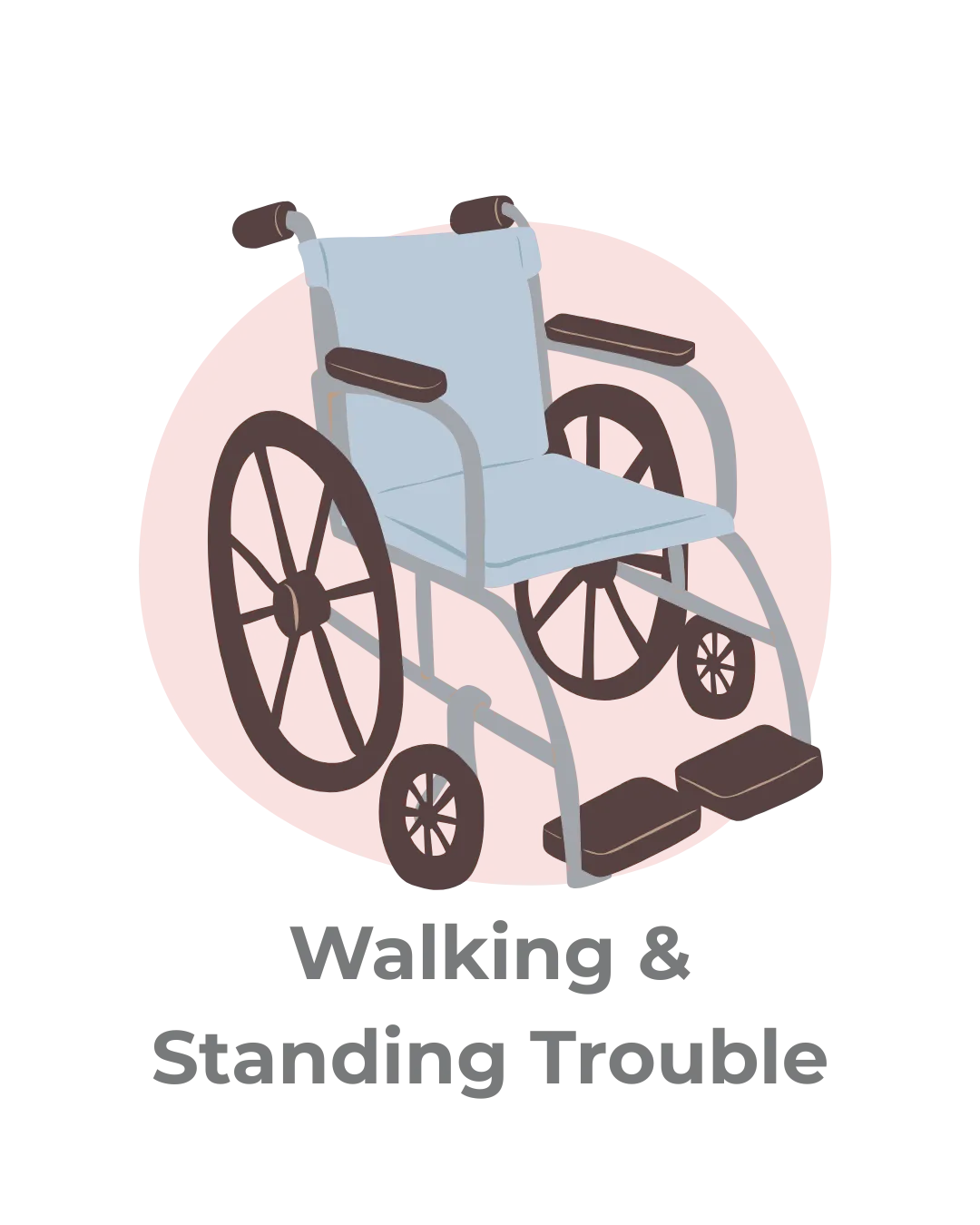
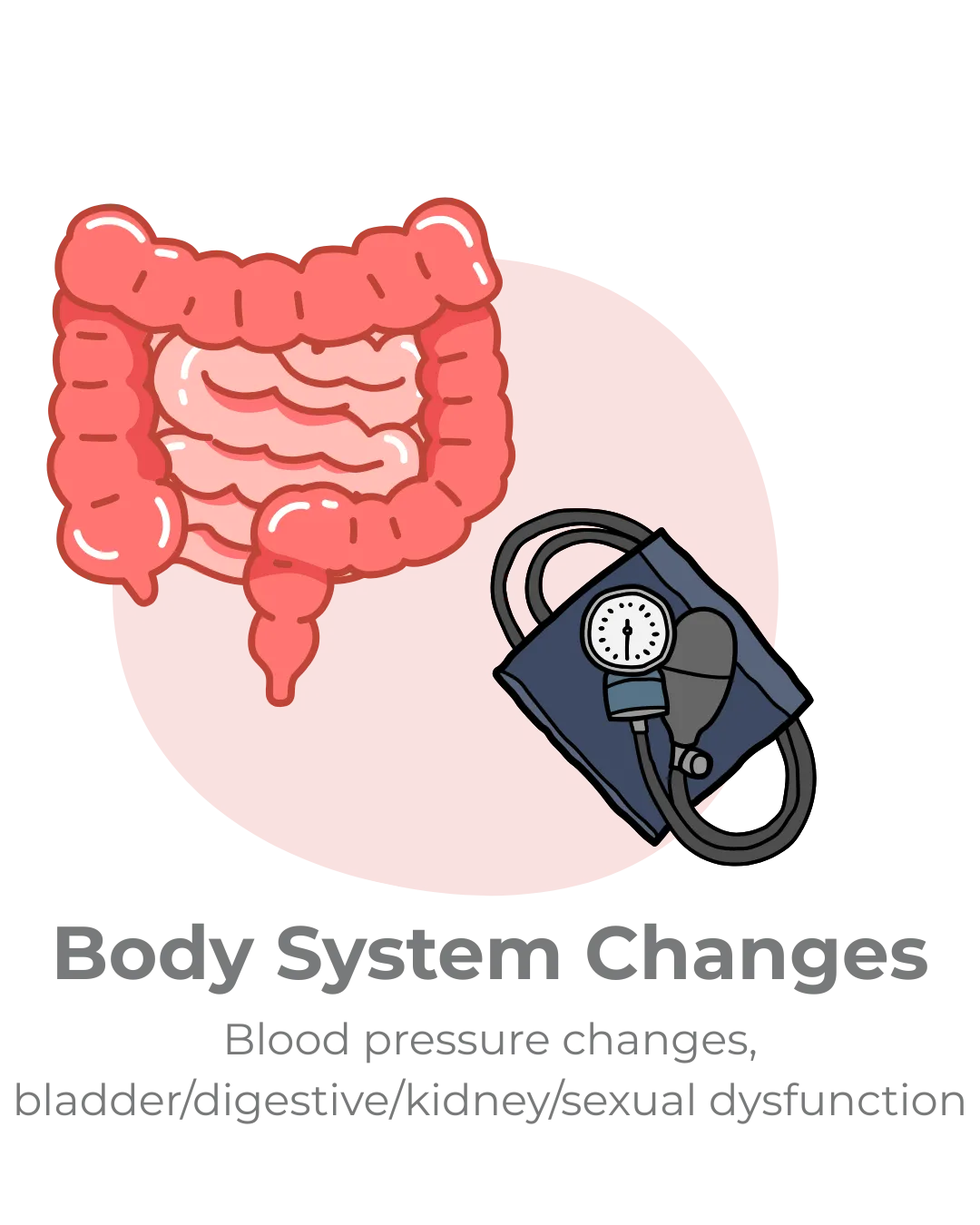
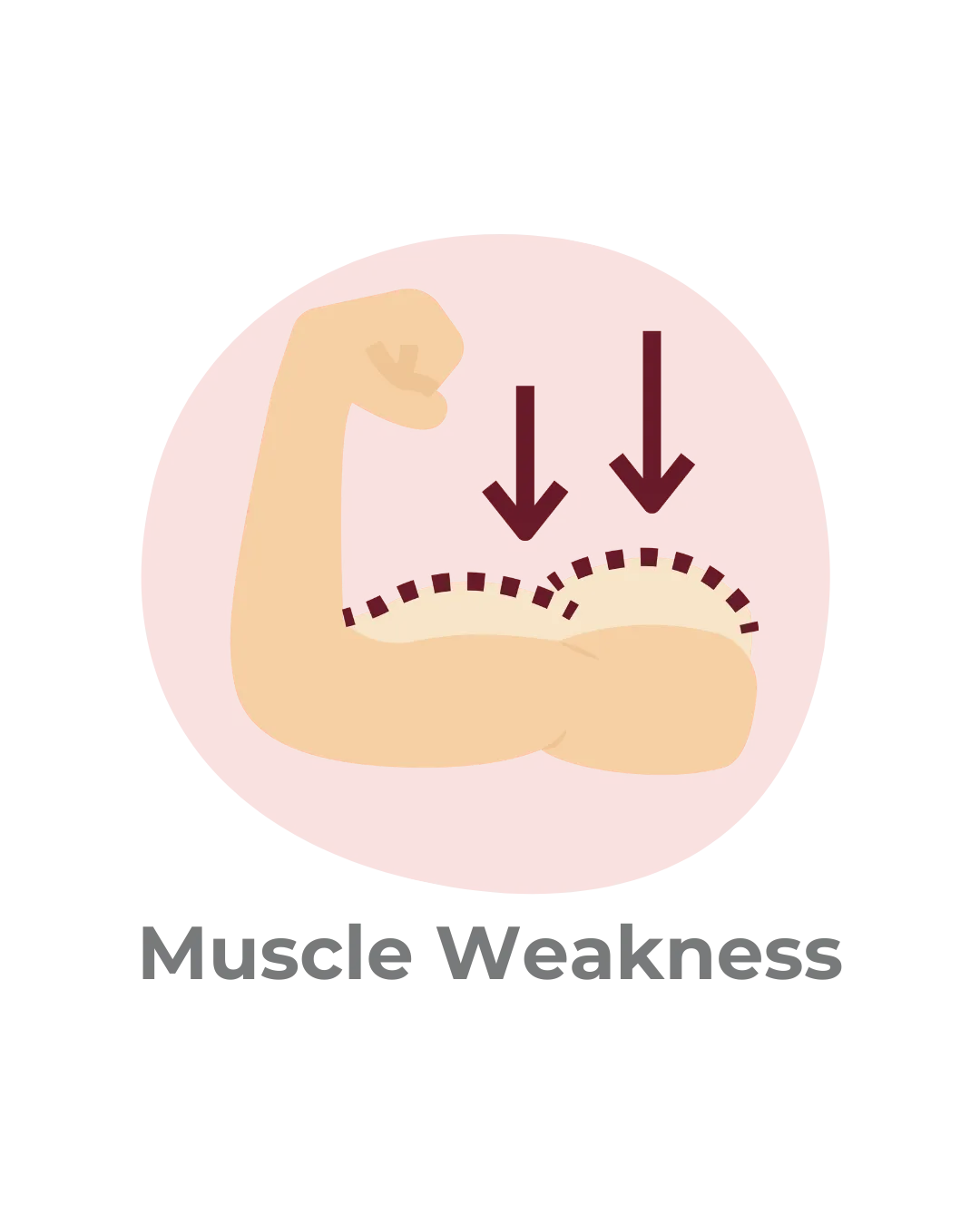
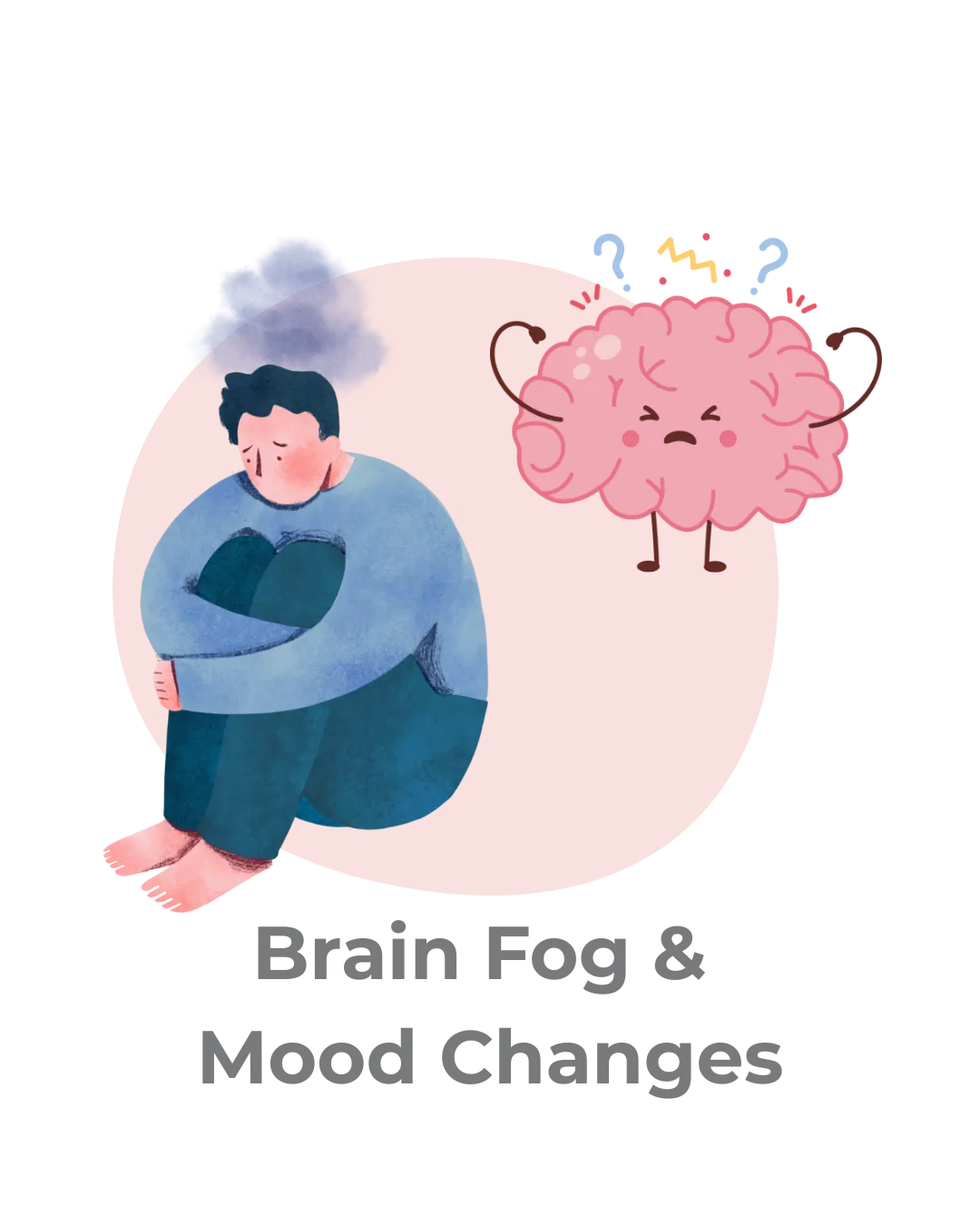
Which symptoms are you dealing with?
Stage 1-2:
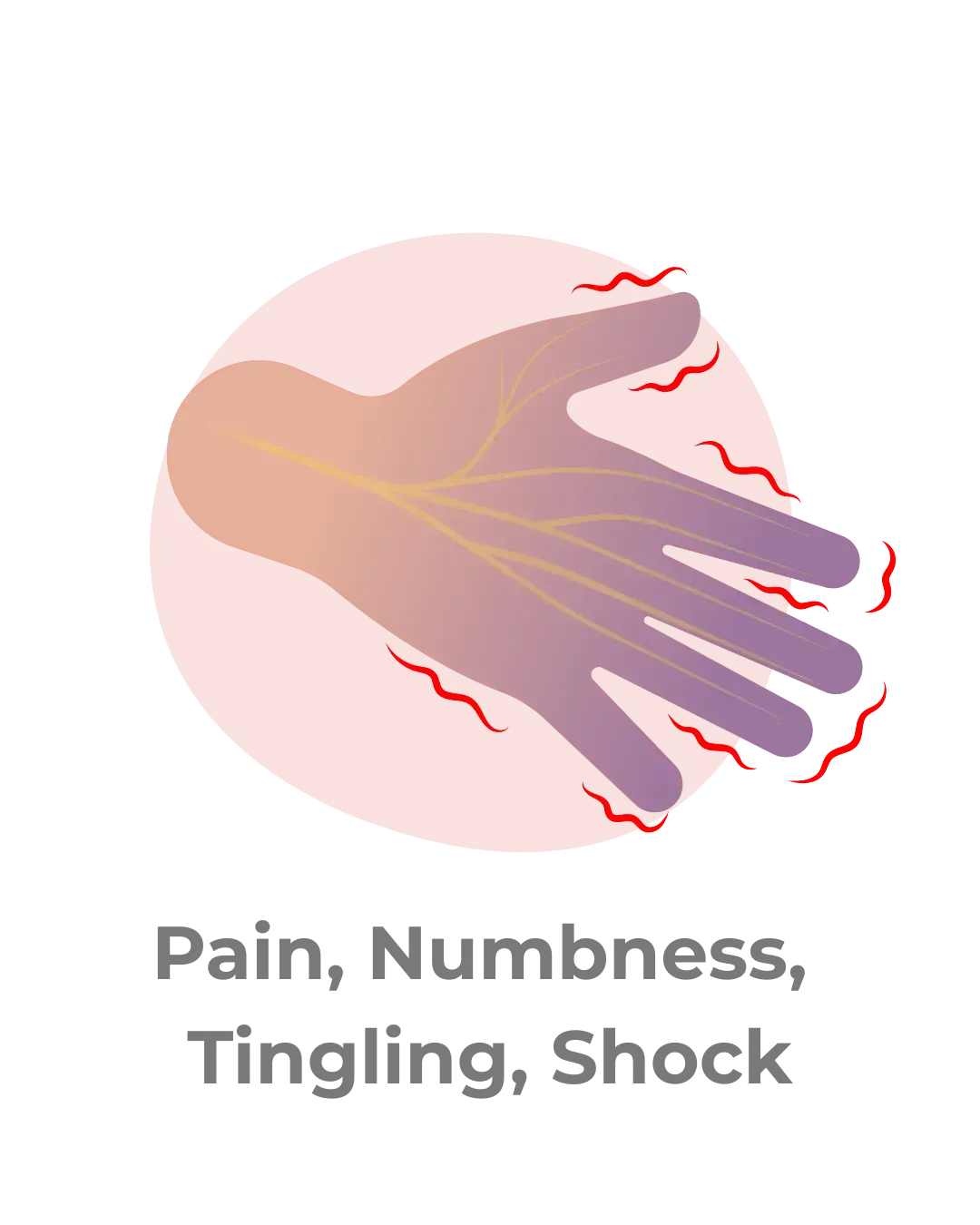
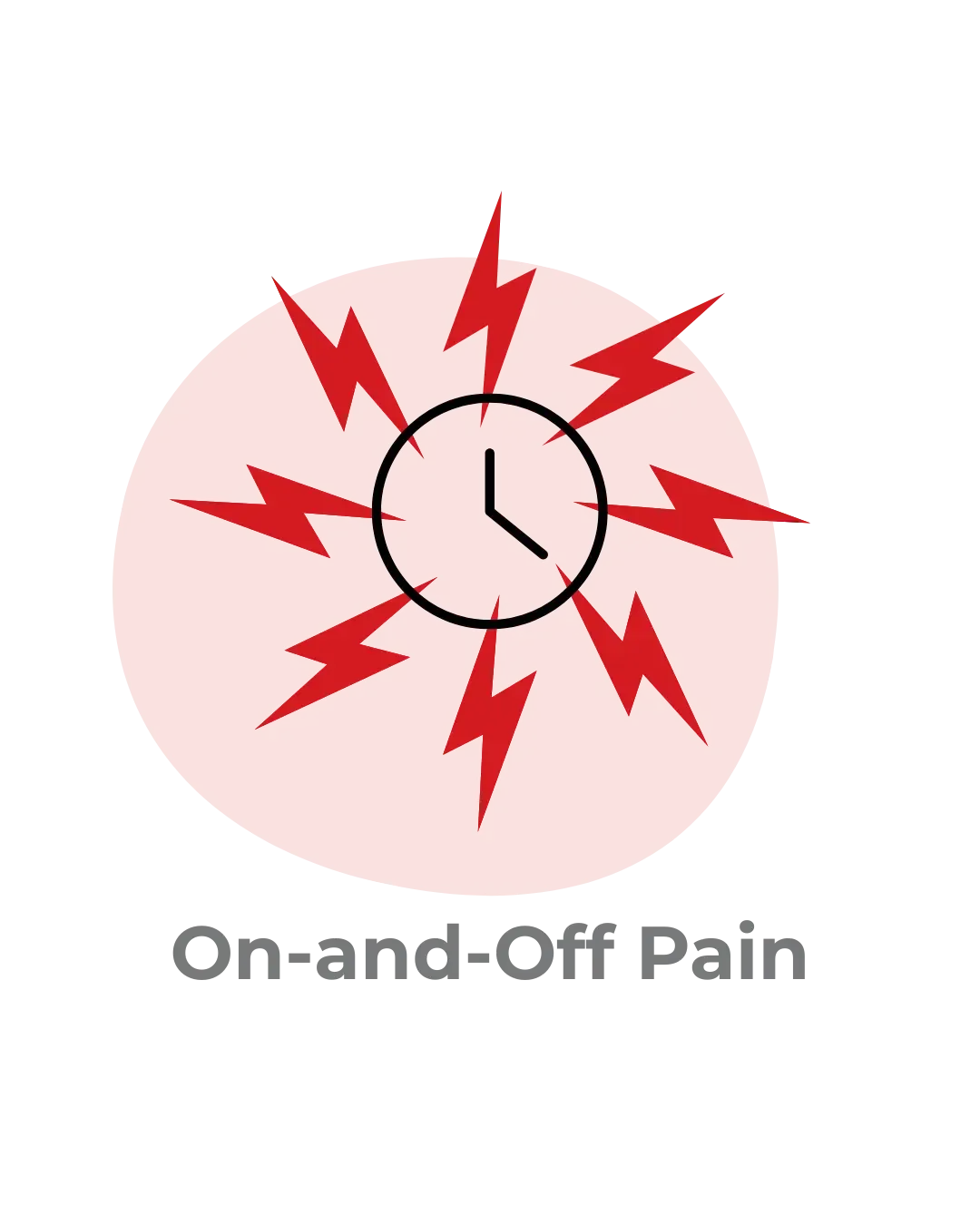
Symptoms start as discomfort and unusual sensations in the feet or hands that may come and go



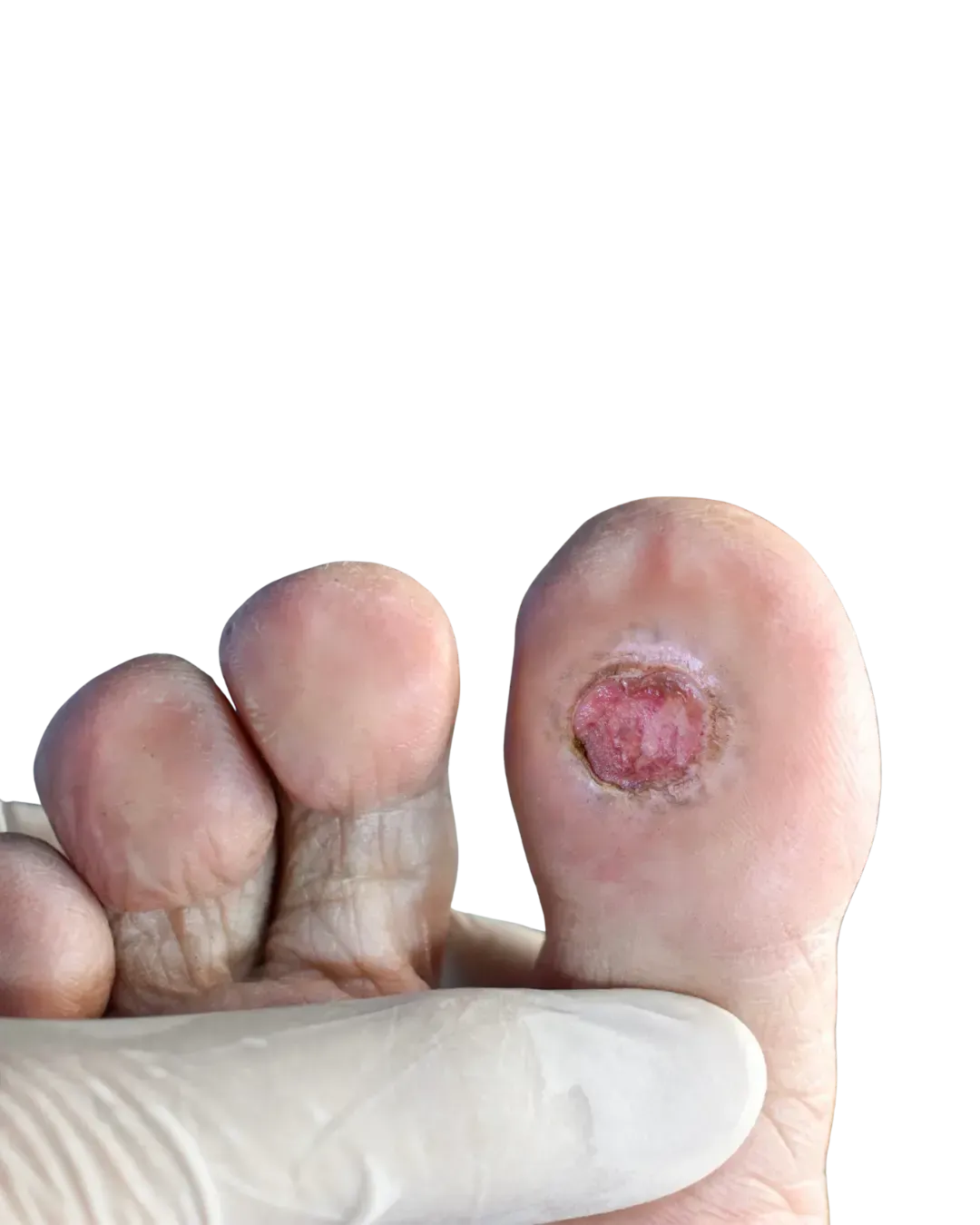
Stage 3-5 (endstage):
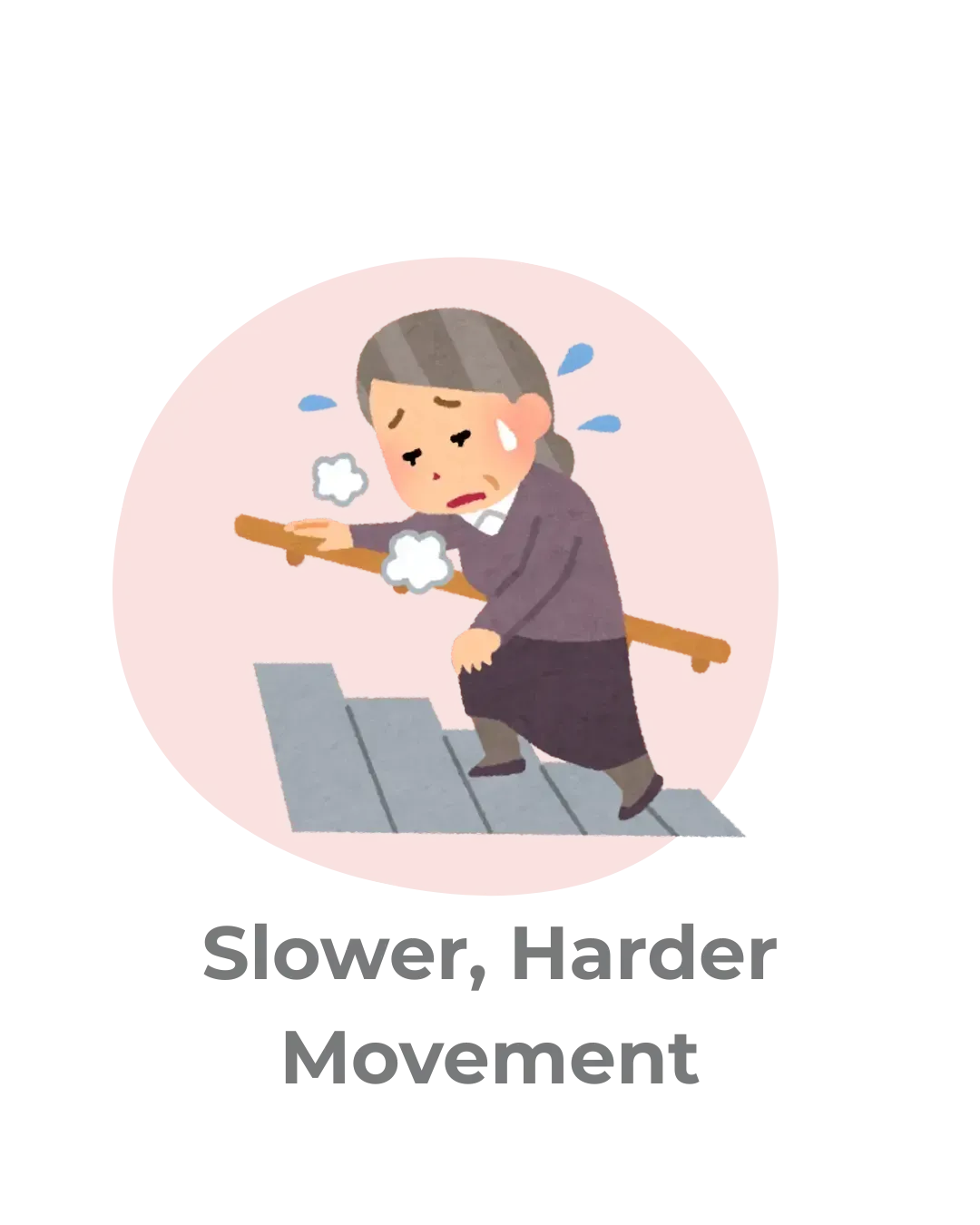
Symptoms are persistent, severe, spreading.
Normal daily function is impaired, patients start to file for disability, high risk for developing other health complications.
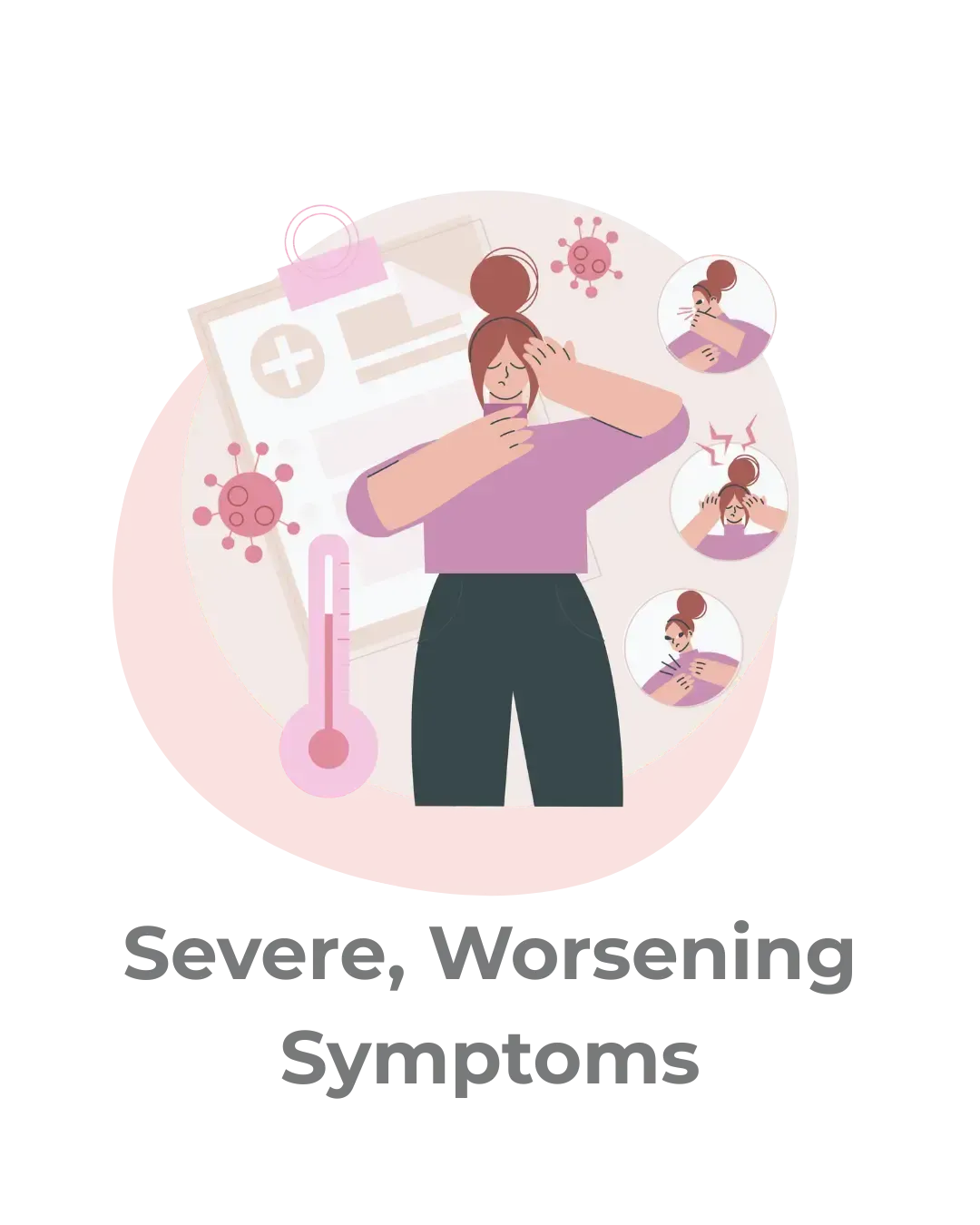
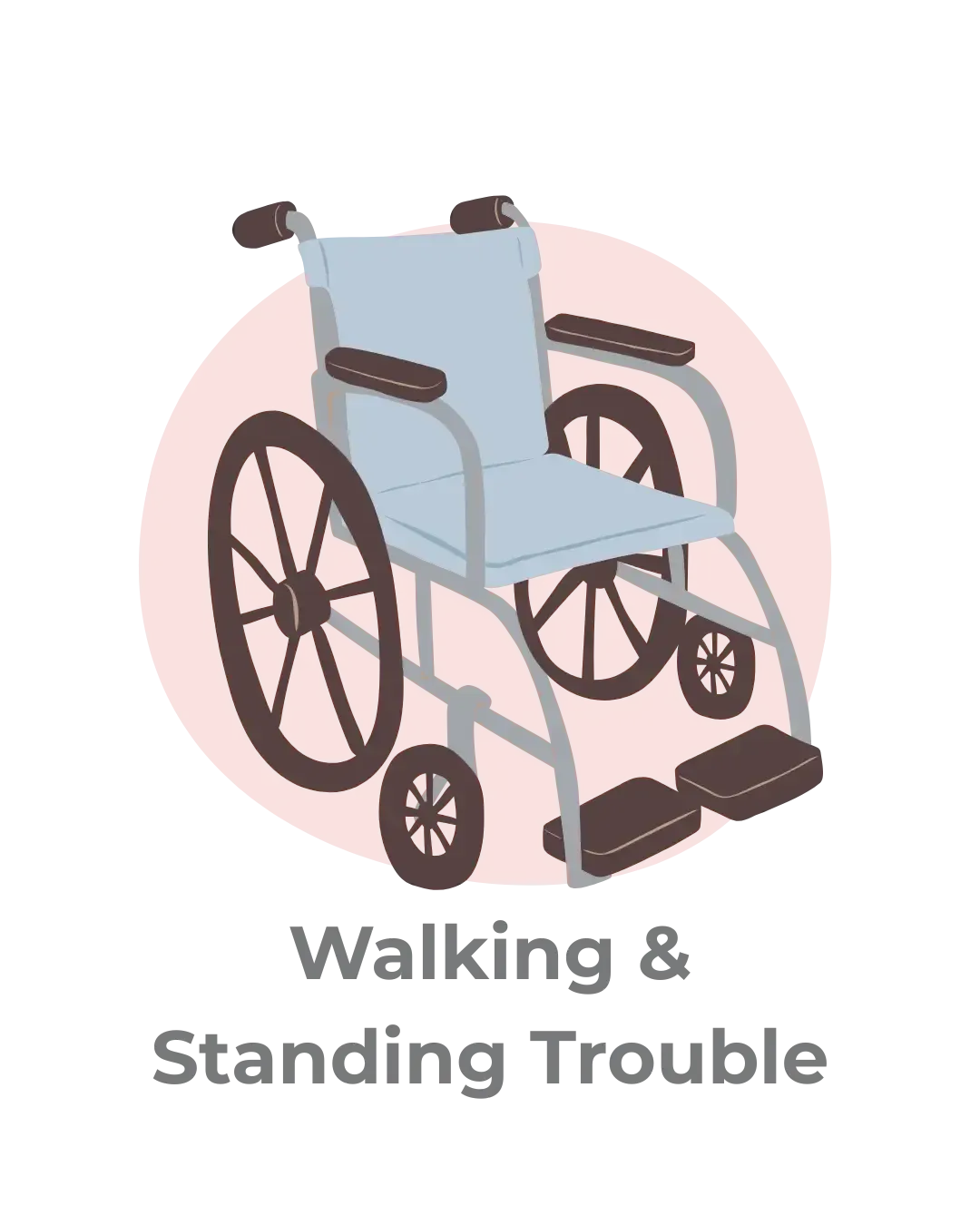
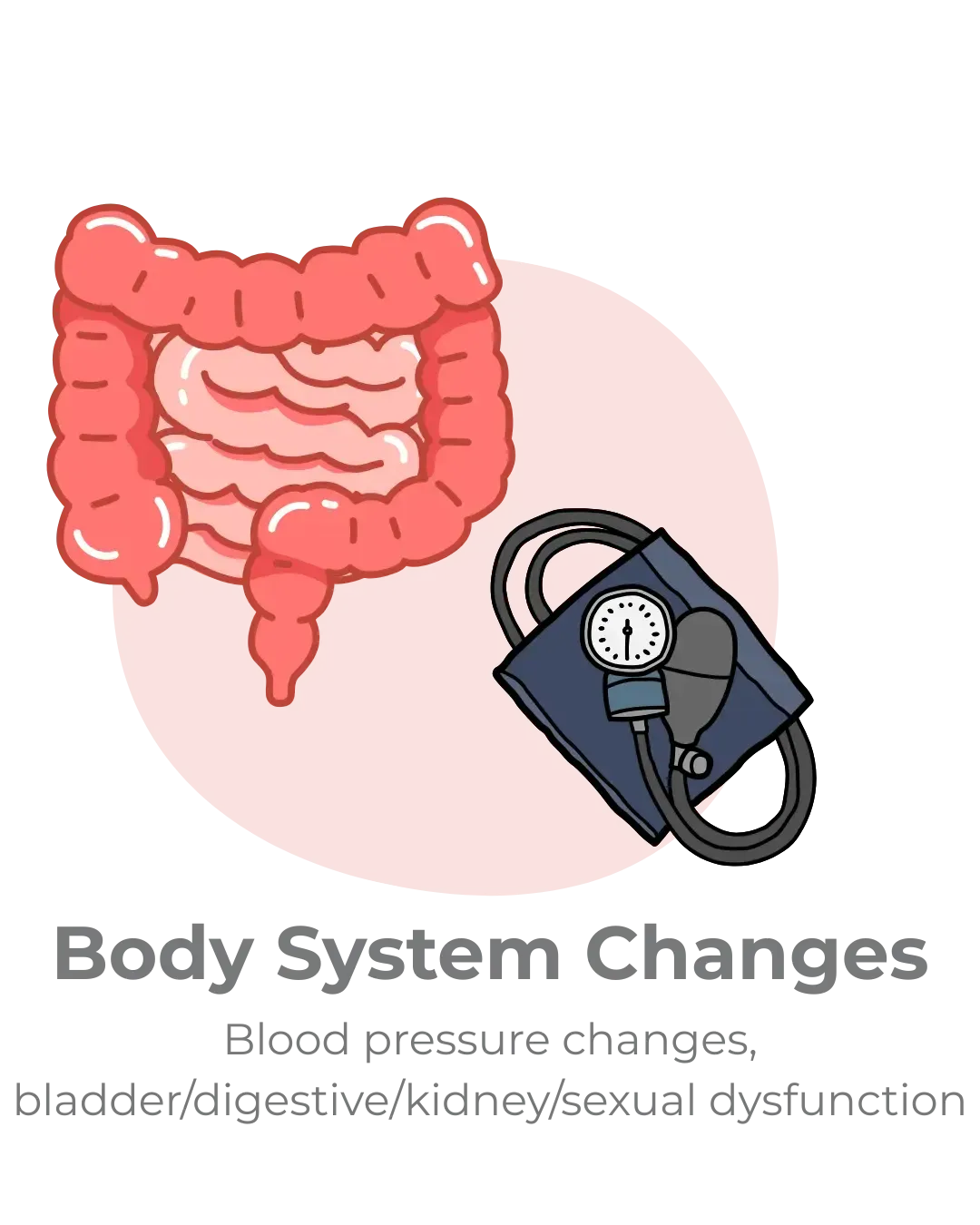
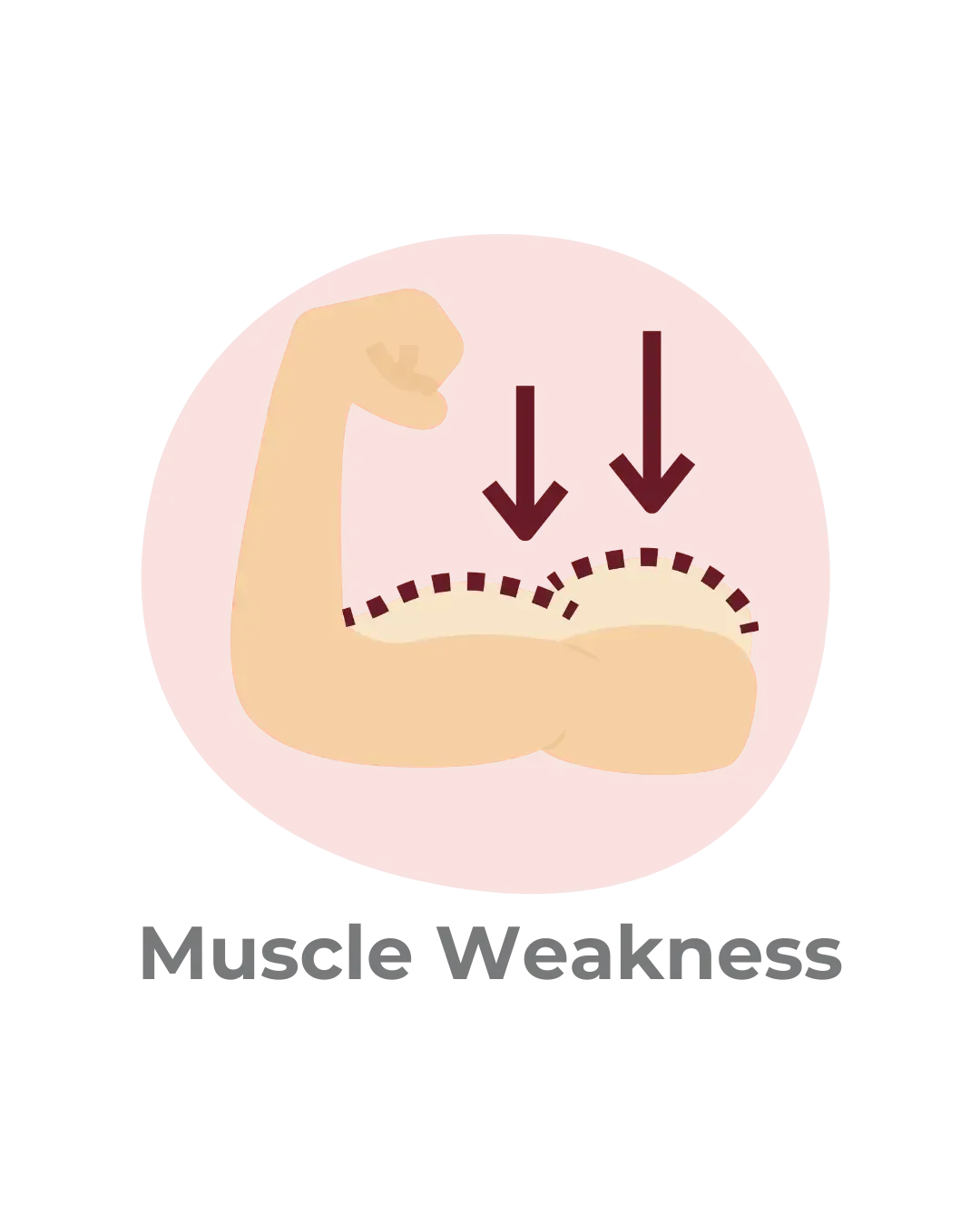
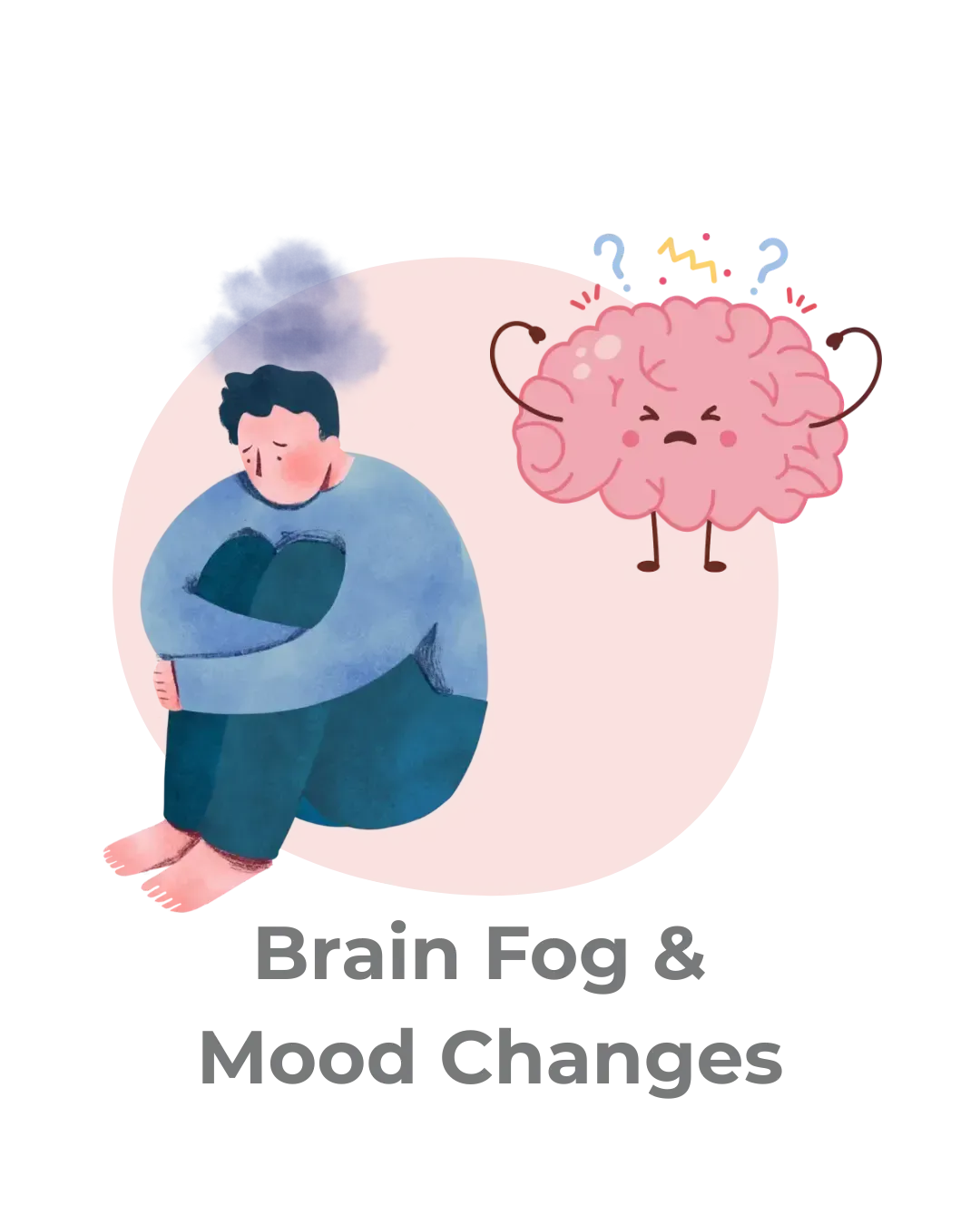
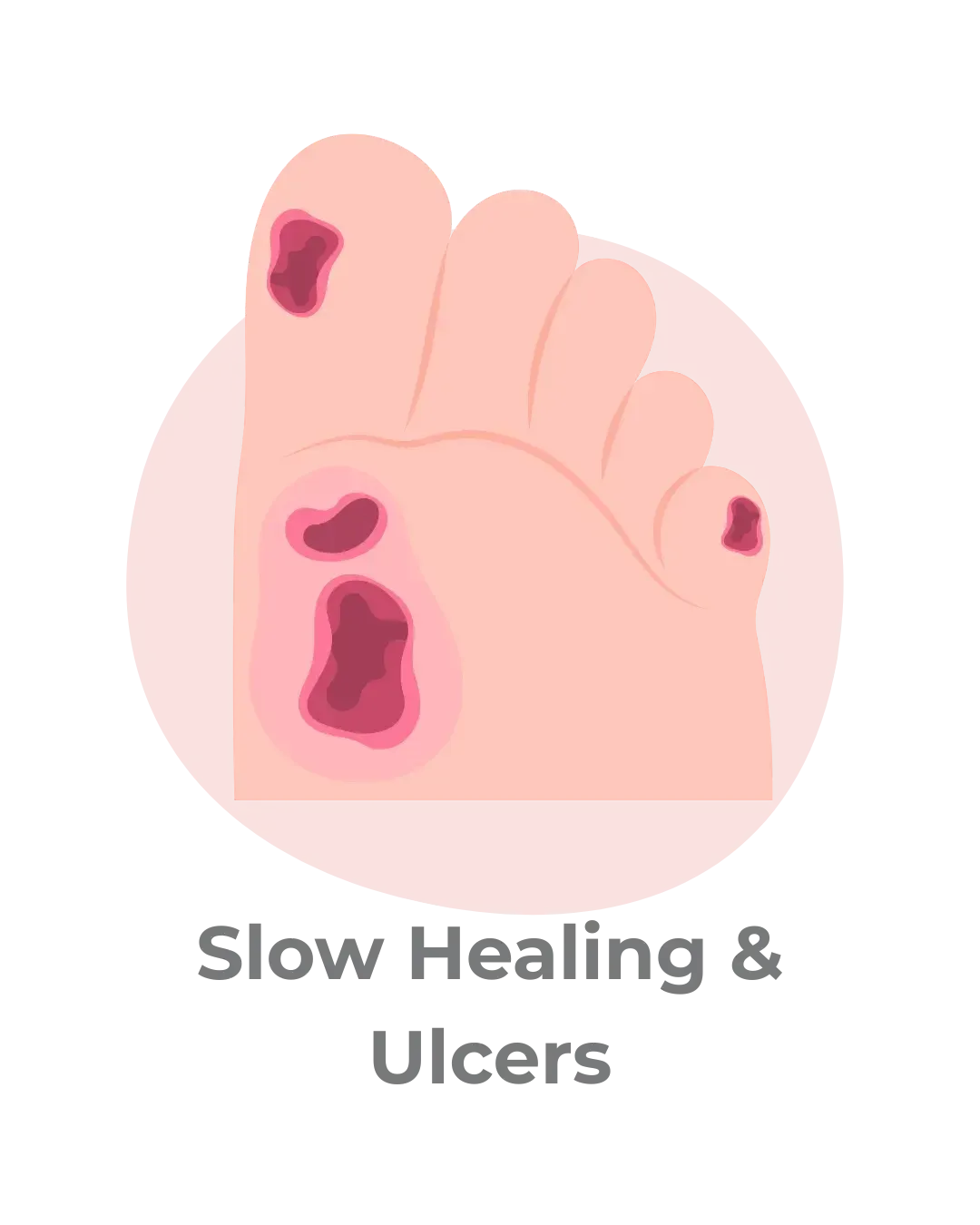
Which symptoms are you dealing with?
Stage 1-2:
Symptoms start as discomfort and unusual sensations in the feet or hands that may come and go
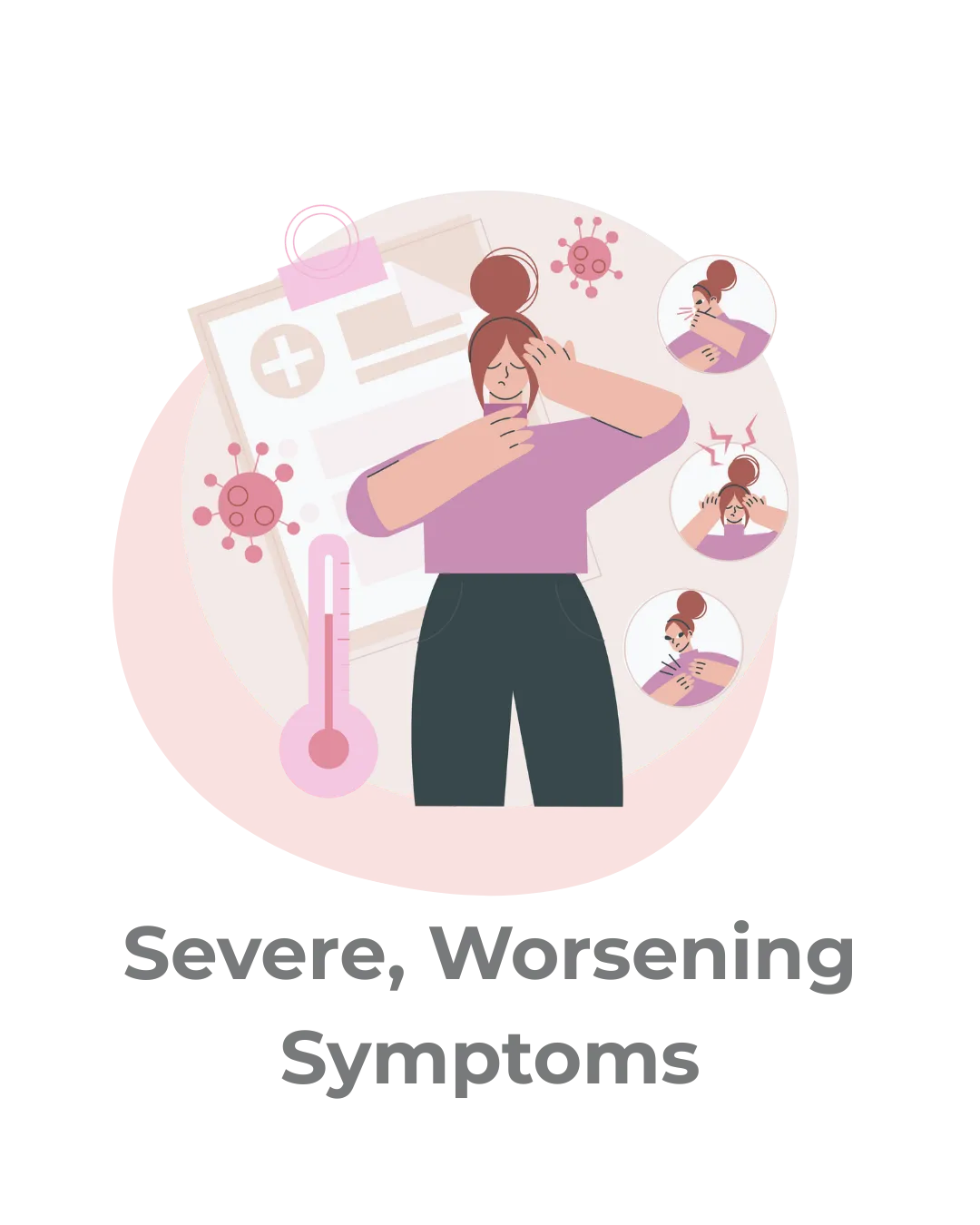
Stage 3-5 (endstage):
Symptoms are persistent, severe, spreading.
Normal daily function is impaired, patients start to file for disability, high risk for developing other health complications.
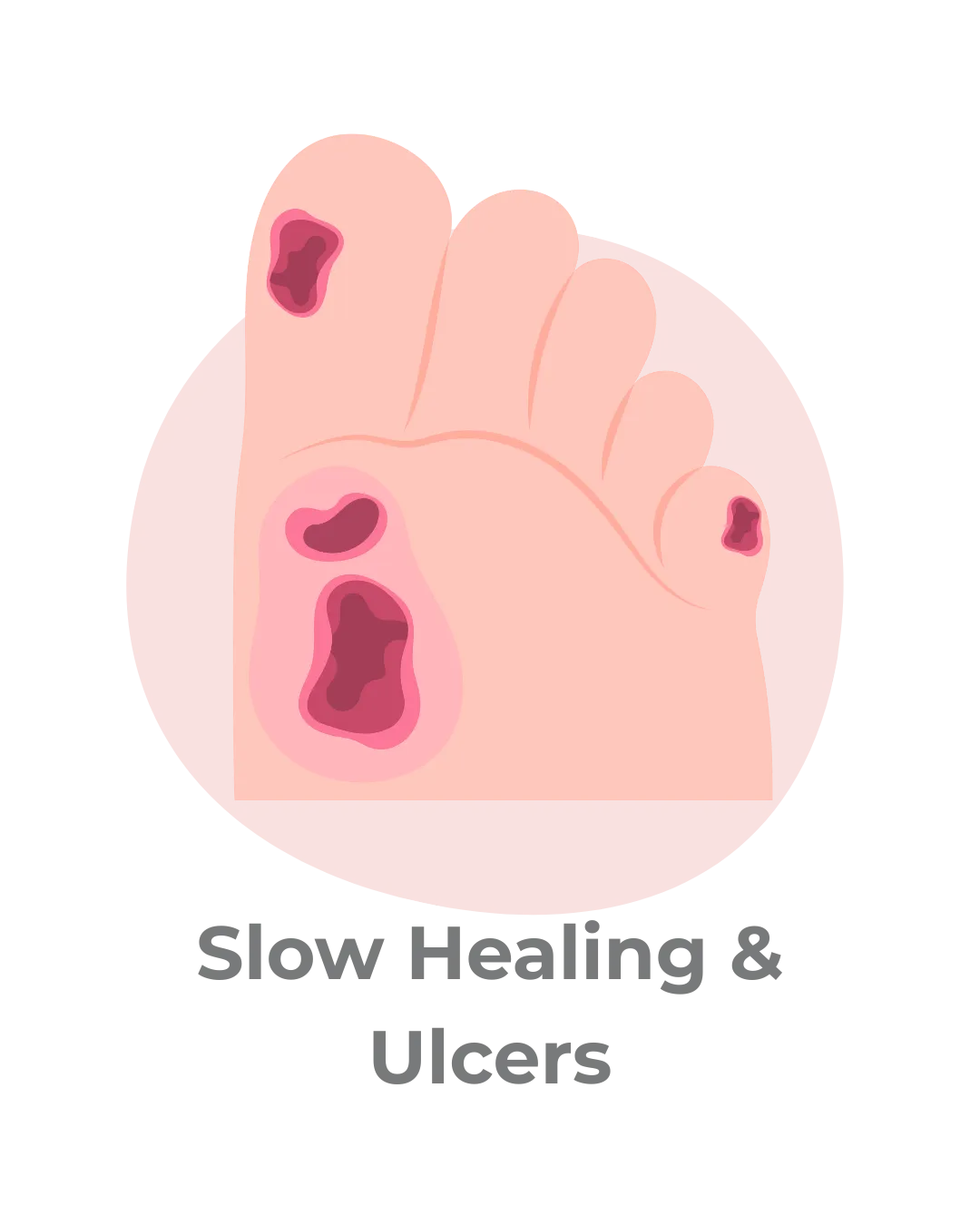
Are you at risk?
Neuropathy can develop from many causes including

Because health problems are rising,
neuropathy isn’t just an “old age” issue anymore.

Neuropathy can even affect people
even in their 30s or 40s
That means people are spending decades longer living with
pain, weakness,
and preventable disability.

Why Medication alone is
not enough
Still searching for answers?
If medication truly worked… you wouldn’t still be here.
Most prescriptions only numb the symptoms —
but the real problem is nerve damage.
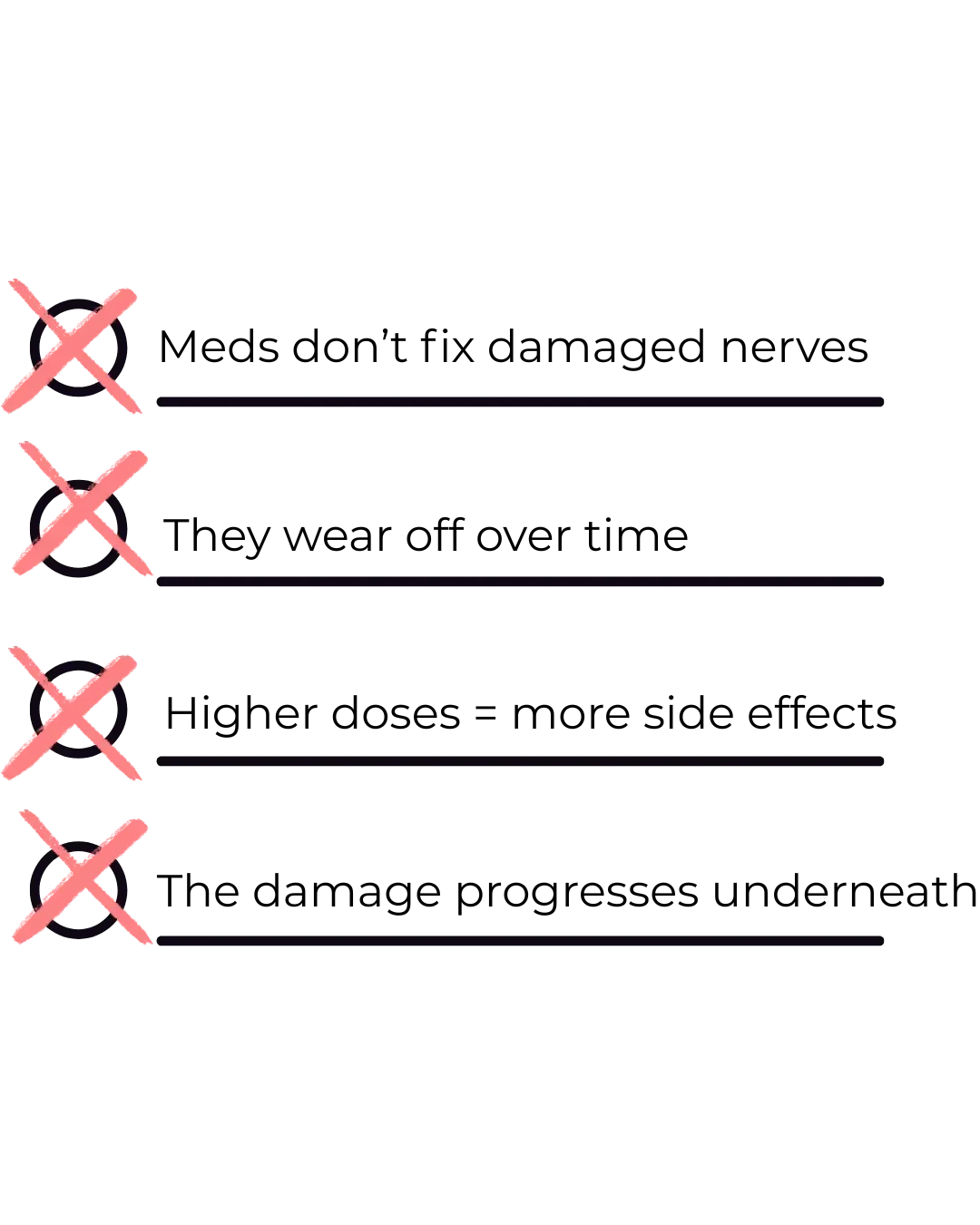
Why Medication
Alone Isn't Working
If Medication Was Working—
You Wouldn't Still Be Searching.

Quieting pain doesn’t stop nerve damage.
Quieting pain
doesn’t stop nerve damage.
Medications can block pain signals to the brain — but they don’t fix the nerves themselves.
🔥It’s like turning off a smoke alarm while the fire's still burning🔥
The truth is:
Pain IS NOT the problem
It’s your body’s alarm system telling you something deeper is wrong.
When nerves fail, your body’s communication system breaks down.
Medications can block pain signals to the brain — but they don’t fix the nerves themselves.
🔥It’s like turning off a smoke alarm while the fire's still burning🔥
The truth is:
Pain IS NOT the problem
It’s your body’s alarm system telling you something deeper is wrong.
When nerves fail, your body’s communication system breaks down.
Why Timing Matters
Because of how
neuropathy affects the body,
if treatment doesn’t target the nerves themselves, the disease keeps advancing through
five progressive stages.
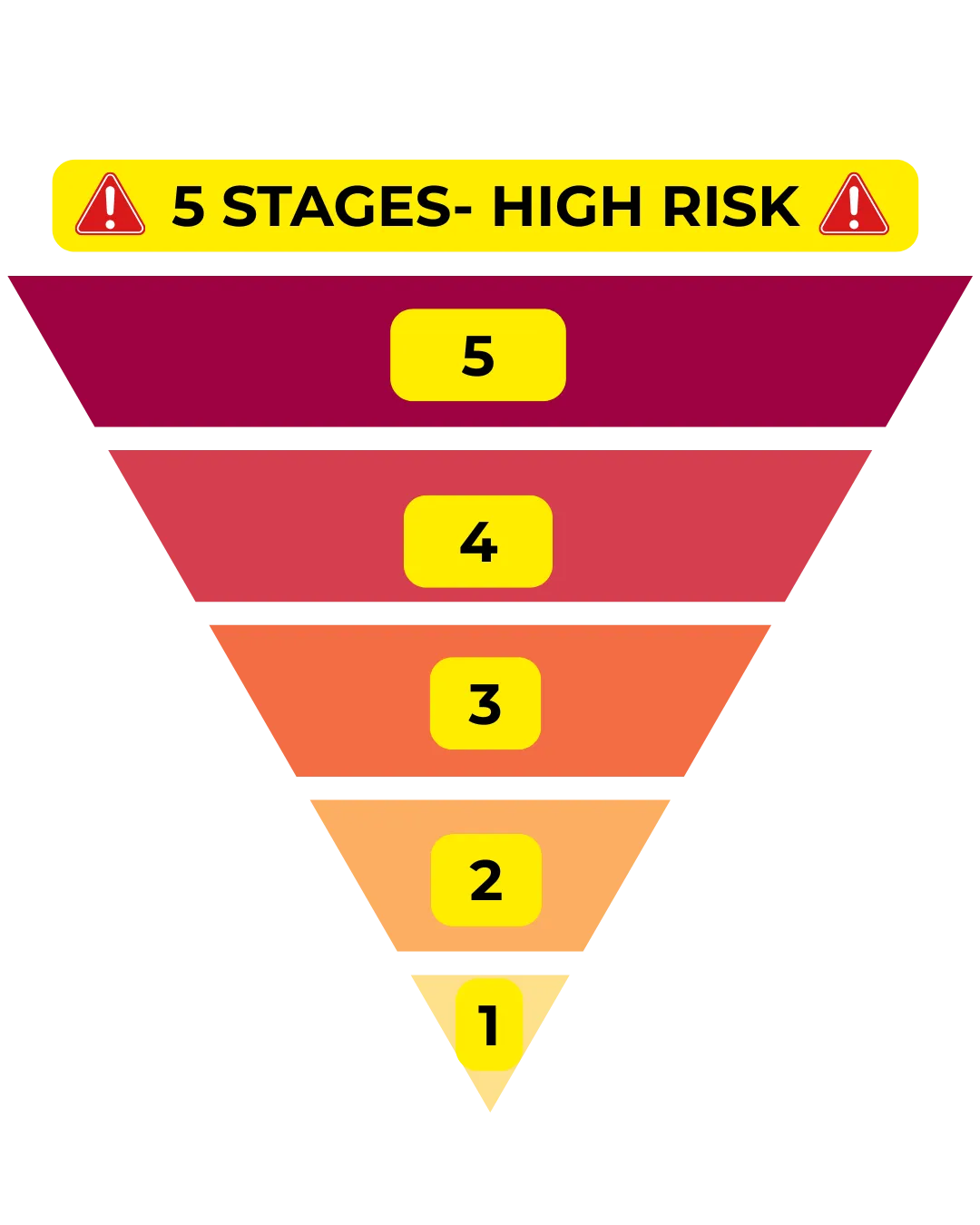
As it worsens, even simple activities like walking, cooking, driving, or sleeping can become difficult or unsafe.
Stage 1 to 2 →
Pain, tingling and discomfort.
Stage 3 to 5 →
Loss of movement, balance,
and the body’s ability to heal
or regulate itself
Neuropathy damages
three vital types of nerves that control your ability to:
Move (motor)
Feel (sensory)
Heal and regulate (autonomic)
In advanced stages, it can lead to serious health risks — and becomes far more difficult to treat.
That’s why understanding your treatment options and timing is critical.

What we do differently:
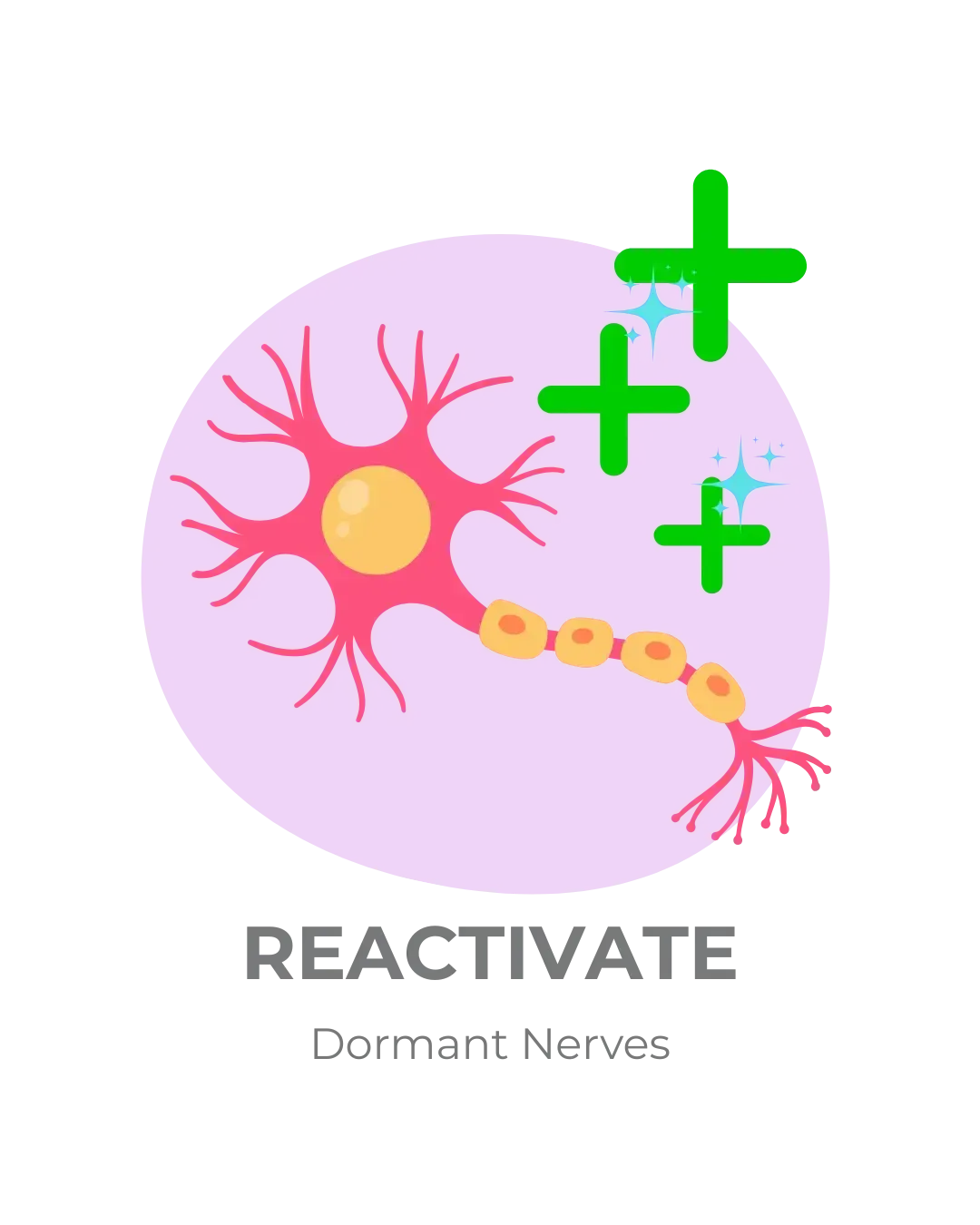
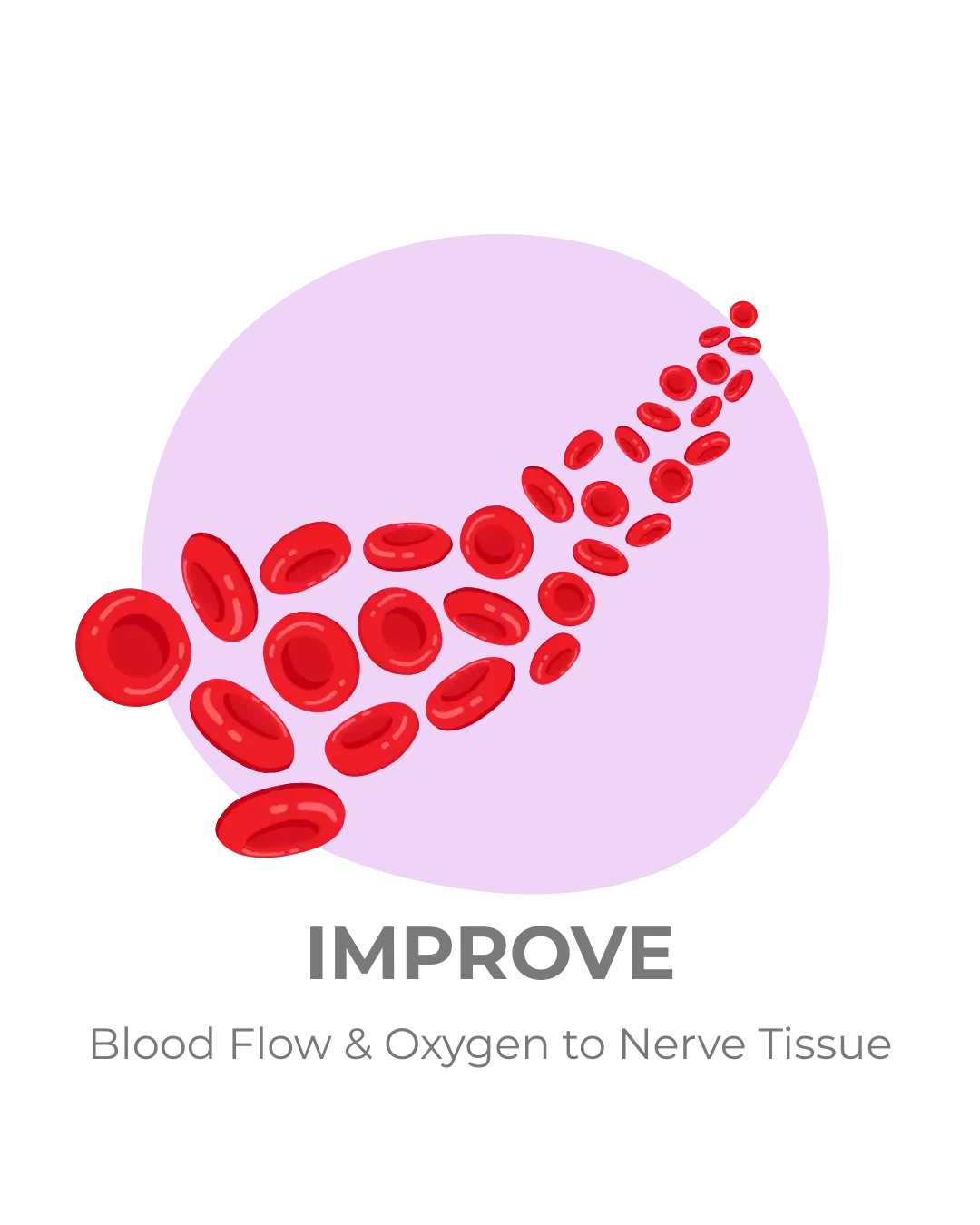

This might be your window —
the sooner we start, the more we can save.
Hear it from real people
who decided to get their life back


Click the left/right arrows to watch more real patient results.
The key is to start before nerve damage becomes permanent.
What we do differently:
This might be your window —
the sooner we start, the more we can save.
Hear it from real people
who decided to get their life back
Click the left/right arrows to watch more real patient results.
The key is to start before nerve damage becomes permanent.
Why Thousands of Patients Trust
Neuropathy Care Centers
Real Answers. Real Relief. Real Hope.
We’re not just treating neuropathy — we’re building a nationwide movement to change how it’s understood and treated.
Our mission is to educate patients, empower physicians, and expand a nationally growing network of clinics that specialize in neuropathy care that goes beyond pain management.
Neuropathy Care Centers help patients find clinics improve nerve function, increase blood flow, restore balance, and reduce pain using advanced non-surgical, drug-free treatments.
My doctor told me there’s no cure for neuropathy. Is that true?
Yes, there is no medication that exists for neuropathy. In fact, the most common medications to 'treat' it are anticonvulsants (anti-seizure medication which is technically used off-label for neuropathy meaning FDA has not approved it for those conditions specifically) like gabapentin and pregabalin, antidepressants such as duloxetine and amitriptyline, and topical treatments like lidocaine patches and capsaicin cream, and
NSAIDs, like ibuprofen which are not very effective, Tramadol which is a weak opioid that can be considered if other treatments are insufficient, opioids (e.g., morphine, oxycodone). All of these only treat pain, but does not address balance problems, numbness, or muscle weakness or loss of control. They do not stop or even slow down the neuropathy from progressing to advanced stages.
Neuropathy is a chronic and progressive condition, meaning it continues to get worse over time. But that doesn’t mean it can’t get better. Just like cancer, there may not be a cure through medication since it does not exist, but there are now medical treatments through advanced technology and proven protocols. When nerves are given the right support—better circulation, targeted stimulation, and proper nutrients—they can often regenerate. The goal isn’t a quick fix; it’s lasting improvement: helping your body restore function, reduce pain, and protect what’s still healthy.
https://www.goodrx.com/health-topic/neurological/diabetic-neuropathy-medications
Is this just another pain-management program?
No. Medications, creams, and even spinal cord stimulators only block pain signals and often carry side effects or surgical risks. Our approved neuropathy clinics focus on helping the body heal from the inside out—repairing damaged nerves, improving blood flow, and reducing dependence on medication over time.
What makes this different from other neuropathy clinics?
Many offices only offer temporary relief. Our in-network clinics use evidence-based, non-invasive therapies that aim to restore nerve function, not just cover symptoms. Every clinic is vetted for safety, outcomes, and patient experience—so you’re connected only with providers who specialize in true nerve repair and circulatory recovery.
Is this treatment covered by insurance?
Most insurance plans cover the initial exam and some portions of care, depending on your benefits. If something isn’t covered, flexible payment options are available so nearly everyone who qualifies can start treatment right away. During your screening, the doctor will review your exam results, recommendations, insurance coverage, and any out-of-pocket costs so there are no surprises—and you’ll always make the final decision.
How do I know this is real?
We understand the hesitations. There are many medications, clinics, and products that address neuropathy pain. However, it is important to understand what purpose they are for, as it's usually for temporary pain relief and not nerve healing. And how they work because they are often used to block signals and some have serious risks of side effects associated with them as well. We encourage people to question their providers so that they can truly get an understanding of their current treatments because in the end, it's your life that is affected.
Neuropathy Care Centers only refers licensed, credentialed medical providers who have been thoroughly vetted for safety, ethics, and proven results.
Our mission is education first, not sales, and we’re collaborating with both treating and referring doctors nationwide to make effective neuropathy care easier to access. Not everyone will be a candidate for care which is why the initial exam is required. Neuropathy can vary greatly from patient to patient by cause, symptoms, severity, stages, contributing health factors, and much more.
What happens during my first visit?
Your appointment begins with a one-on-one evaluation, symptom review, and nerve function testing.
The doctor will explain what’s happening inside your nerves, what stage you’re in, and what options you have for improvement.
You’ll leave with a clear understanding of your condition and next steps—no pressure, just clarity.
Does the treatment hurt?
Although treatment will vary from patient to patient, therapies are non-invasive, FDA cleared, and are targeted to heal nerve damage and improve blood flow with little to no side effects. There are no needles, surgeries, or harsh procedures involved. This will allow your own body to regulate and heal itself which is how patients start to walk better, feel more, and get stronger.
How long before I start feeling results?
Every patient is different. Some notice small improvements within weeks—better sleep, less burning, steadier balance—while deeper healing takes consistent care over several months. Think of it like physical therapy for your nerves: the more you nurture them, the stronger they get. Your doctor will first perform an exam to see if you’re a good candidate for the program.
What if my neuropathy is already advanced?
Some patients may already have permanent nerve damage because of the severity or waiting too long to start. However, some patients are looking for at least some pain relief because medication is no longer providing any. Even in later stages, many patients still experience better circulation, reduced discomfort, and improved stability. The first step is an exam to see how much function can still be recovered. If full recovery isn’t possible, your doctor can still help you preserve independence and quality of life.
What causes neuropathy in the first place?
There are many causes of nerve damage—diabetes, chemotherapy, physical trauma, certain medications, vitamin deficiencies, alcohol abuse, infections, autoimmune disorders, hereditary conditions, and even long-term metabolic stress. For causes that are not clearly known, it is referred as idiopathic neuropathy. That’s why each screening includes a detailed evaluation to uncover your root cause and match you with the right treatment approach.
Will I be pressured to start treatment right away?
Our doctors are here to help you get a clear understanding of where you are, and what treatment options they recommend. You have the final say in all treatment decisions. The screening is simply a chance to understand your condition and options. Most patients choose to start quickly because they want to get better—but the choice is entirely yours.
Why should I schedule now instead of waiting?
Neuropathy doesn’t pause. In fact, it usually gets worse and harder to treat over time.
But early action can often slow or even reverse the process. Scheduling a screening doesn’t commit you to treatment—it simply gives you answers and control before it’s too late.
How do I find a provider near me?
Click the scheduling link below to see the closest available clinic. You can also follow our social pages for updates, education, and announcements as new clinics join our growing national network.
Should I bring my MRI, X-rays, or reports?
Yes! Bring any medical reports or imaging you have. They’ll help the doctor better understand your history and design the most accurate plan for you.
What if I don’t have insurance?
That’s okay. Flexible payment options are available at most clinics so you can still begin care if you qualify. No one should miss the chance to heal because of an insurance plan.
Where are you located?
We’re continually expanding our network of approved neuropathy clinics nationwide. Check the scheduling link below to find the nearest location.
Still have questions?
You can call or text us at 857-810-5789. For anything specific to your condition or anything specific to your health and insurance, the clinics will be able to better address those questions after you schedule.
You’ve already tried managing the pain. Now it’s time to fix what’s causing it.
Every week matters when nerves are involved — but with the right care, recovery is possible.
Reclaim what’s been missing — your strength, balance, and independence by finding a provider near you today.
CALL OR TEXT US
LEGAL


© Copyright 2025. Neuropathy Care Centers.
All Rights Reserved.
CALL OR TEXT US
LEGAL
© Copyright 2025. Neuropathy Care Centers.
All Rights Reserved.